What Happens During General Aircon Servicing: The 8-Point Checklist
Filter clean, coil clean, drain flush, pressure check and more. See exactly what general aircon servicing covers so you can compare quotes.
· 5 min read
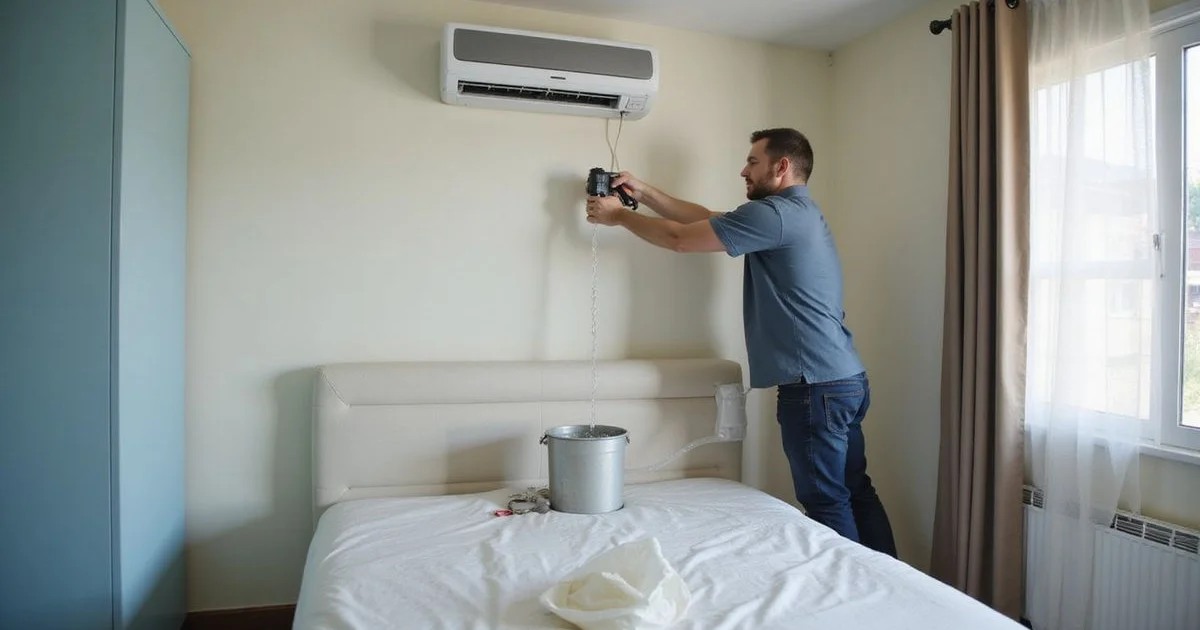
What Is Included in Aircon Servicing?
When you compare quotes, “servicing” can mean very different things. One company wipes the filter and leaves. Another works through the whole indoor and outdoor unit.
Knowing what is included in aircon servicing is the only way to compare prices fairly. Aircon Servicing Ang Mo Kio is the local arm of Cool Earth Aircon, which Brian started in 2007 as a one-man workshop.
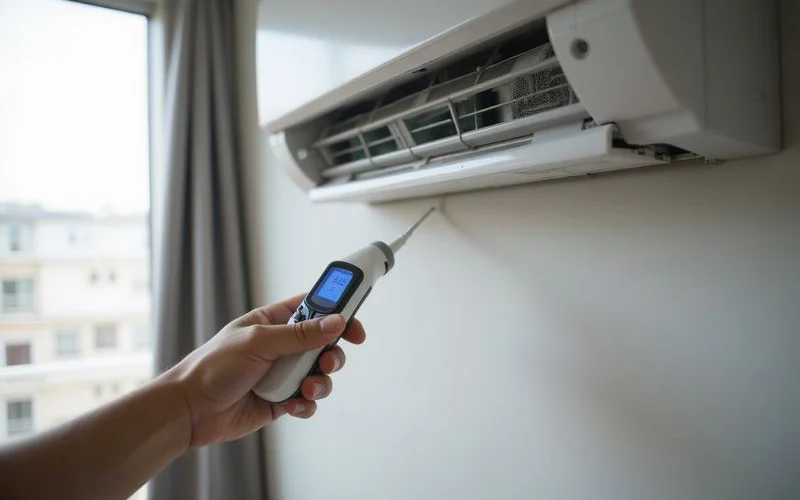
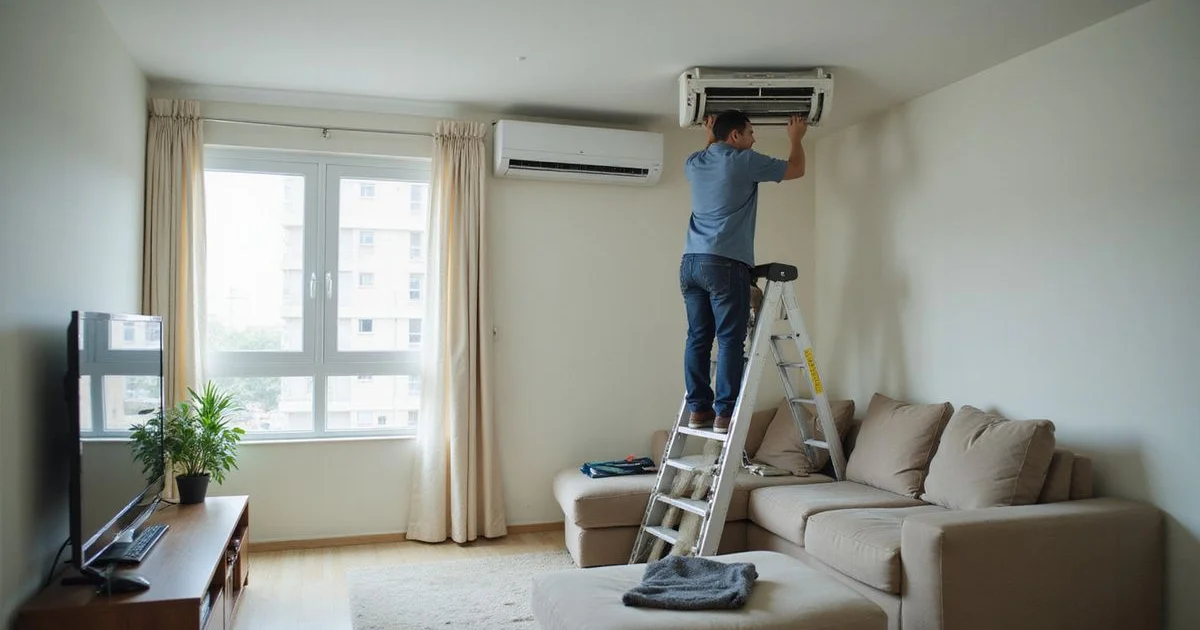
Our general aircon servicing prices cover the same 8-point checklist on every unit, whether it is a wall-mounted unit in an HDB flat or a multi-split system in a condo. Here is each step and why it matters.
Below, we walk through the 8 checks, how they change for inverter, multi-split and older units, what servicing leaves out, and how to compare quotes.
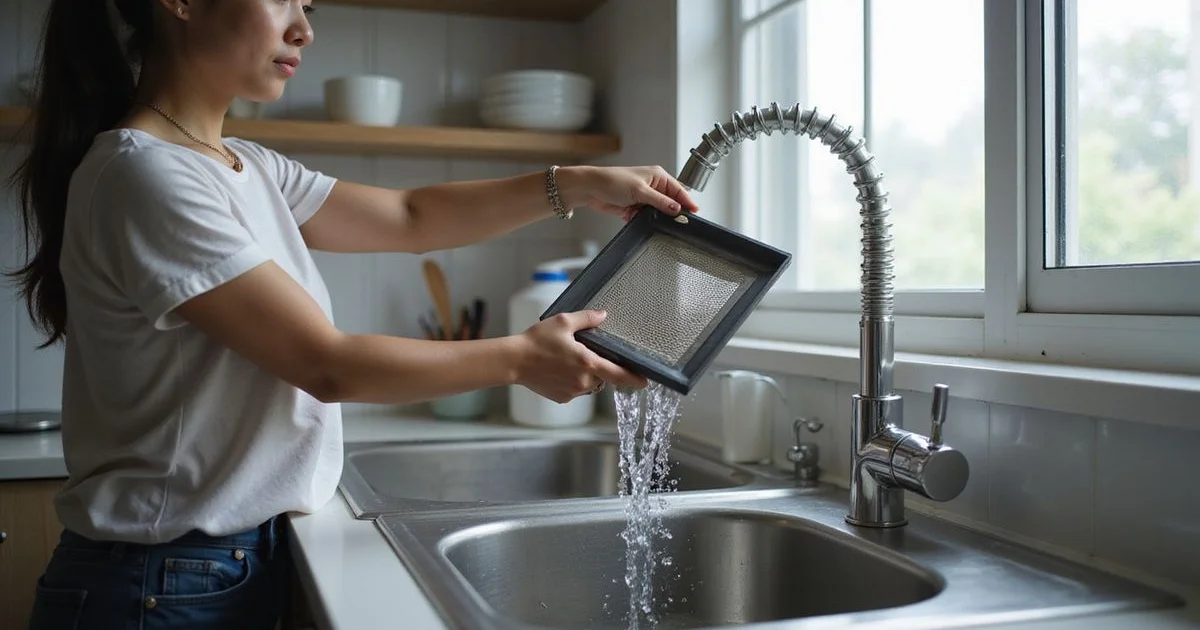
- Filter cleaning. We take the filters out, wash them and dry them before they go back in. Clean filters let air through freely, which brings back airflow and cooling. NEA’s household energy-saving guidance, as summarised by Helpling Singapore, suggests checking filters monthly, so a quick rinse between visits is worth doing.
- Evaporator coil check and clean. The coil is the cold metal grid behind the filter that pulls heat from the room. Our technician checks it for dust and early mould and cleans the surface. A dirty coil is the most common reason a room takes long to cool.
- Drain line flush. Water from the coil runs out through the condensate drain line. HDB rules require that water to be piped to a floor trap inside your flat, according to a 2026 aircons.sg guide to HDB installation rules. Slime builds up inside that pipe over time, so we flush the line before it chokes and water starts dripping from the indoor unit.
- Drain pan check. The drain pan sits under the coil and collects water. We check that it is clean, sitting level and not cracked. A tilted or cracked pan is a common cause of leaks, and FixMove’s Singapore leak guide lists a damaged tray among its five common cause groups. That guide also says to stop using the unit if water is near switches, sockets or cables.
Why the drain steps matter
Many indoor unit leaks start with a choked drain line or a dirty drain pan. Flushing the line during routine servicing stops a lot of them before the first drip.
The Checks That Protect the System
The second half of the checklist is about catching faults early, before they become repairs.
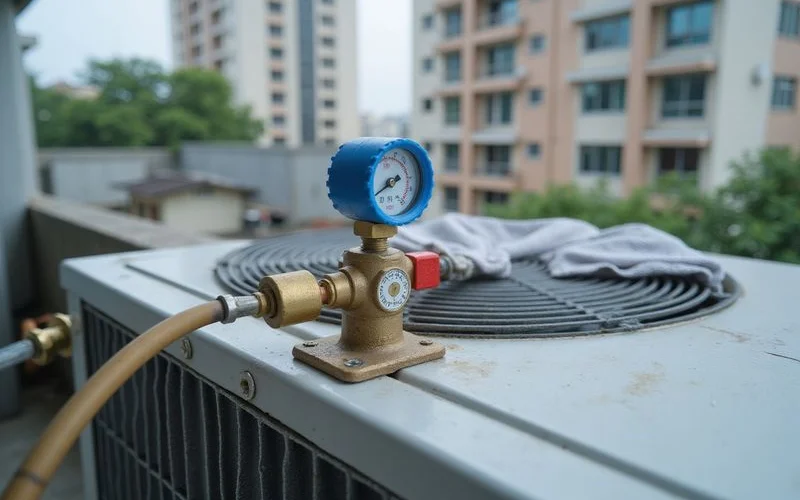
- Refrigerant pressure check. Using a gauge at the outdoor unit, our technician checks that refrigerant pressure is in the normal range. Low pressure is a sign of a leak, because aircons don’t use refrigerant up, as aircons.sg explains in its guide to units that still aren’t cold after servicing. This is a check, not a top-up.
- Thermostat test. The thermostat tells the unit when the room has reached the set temperature. If it reads wrong, the unit may run non-stop or cut off too early.
- Electrical check. We check wiring, connections and parts like the capacitor for signs of wear or overheating. Electrical faults are a common cause of units that will not start or that click at start-up. Helpling’s capacitor guide lists a humming sound with a fan that won’t spin, slow starts and random shut-offs as warning signs, so mention any of these before the visit.
- Airflow and temperature test. Finally, we switch on each unit and test the airflow and the temperature of the air coming out. This confirms the service has worked before the technician leaves. EMA recommends setting home aircons to at least 25°C, so if cooling still feels weak at that setting, say so before we pack up.
Inverter, Multi-Split and Older Units
The checklist is the same for every unit, but the way it is done varies a little by system.
- Inverter units. Most newer units in Singapore are inverter systems. They adjust compressor speed instead of switching on and off, so a pressure reading and temperature test need to be taken once the unit has settled. Our technician allows for that before recording the result.
- Multi-split systems. Condos and newer flats near AMK Hub and Ang Mo Kio MRT often run System 2, 3 or 4 set-ups, where one outdoor condenser serves several indoor units. Each indoor unit gets its own filter, coil and drain work, and the outdoor checks cover the whole system. If one room cools well and another does not, we look at that unit and its piping specifically.
- Older non-inverter units. Many flats in older Ang Mo Kio blocks still run older units, some on R22 refrigerant. According to aircons.sg, R22 was phased out in Singapore in 2020, though servicing existing units is still allowed, and units bought before 2010 are likely to use it. These are serviced the same way, but we pay extra attention to worn pipe insulation, drain pan condition and electrical parts, since these wear first with age.
What General Servicing Does Not Cover
General servicing does not include deep chemical cleaning, gas top-ups or repairs. It is maintenance, so it keeps a healthy unit healthy.
Daikin Singapore and Mitsubishi Electric Singapore both recommend professional servicing every three months for daily-use units, according to Helpling’s servicing guide. That is why the table below says every 3 to 4 months.
| Job | Included in servicing? | When you need it | Price |
|---|---|---|---|
| 8-point general servicing | Yes | Every 3 to 4 months for daily-use units | From S$50 for 1 unit |
| Chemical wash | No | Weak cooling or musty smell after servicing | From S$80 per unit |
| Chemical overhaul | No | Heavy mould, sour smell, sludge in drain pan | S$130 to S$180 per unit |
| Gas top-up | No, pressure is checked only | Low pressure found, slow loss of cooling | From S$80 |
| Repairs | No | Failed part, leak, noise, unit not starting | From S$60 |
A gas top-up on its own only hides a leak, since refrigerant isn’t consumed by normal running. Coogle’s 2026 Singapore guide says a proper top-up includes the leak check and repair first.
If the technician finds something during the 8-point check, you are told what it is and given a fixed quote. Nothing extra is done without your go-ahead.
How to Compare Quotes
When another company quotes a lower price, ask which of the 8 points they cover. A quote that skips the drain line flush or the pressure check is cheaper because it does less.
Put these questions to every company before you book:
- Which of the 8 checks are included?
- Is there a callout fee?
- Is the price fixed before work starts?
- Is there a warranty on the work?
For Ang Mo Kio homes, our general servicing prices drop per unit as you add more. A 4-unit flat at S$85 works out to about S$21 per unit, against S$50 for a single unit. You can see every service on the full price list.
| Number of units | General servicing price |
|---|---|
| 1 | S$50 |
| 2 | S$55 |
| 3 | S$70 |
| 4 | S$85 |
| 5 | S$100 |
| 6 | S$115 |
| 7 to 9 | S$18 per unit |
| 10 or more | S$16 per unit |
To plan your day around the visit, read how long aircon servicing takes and how to prepare your home. If you are unsure whether your unit is due, the signs your aircon needs servicing will help.
Now that you know what is included in aircon servicing, a thin quote is easy to spot. Every visit comes with a fixed quote, no callout fee, payment after the job and a 90-day workmanship warranty.
Contact us to book a slot for your Ang Mo Kio flat.
Next step
Learn more about aircon servicing in ang mo kio
General servicing from S$50 for 1 unit, with a fixed quote first, no callout fee and a 90-day workmanship warranty.